
BODY PSYCHOTHERAPY & CORE ENERGETICS EDUCATION
Professional three year Body Psychotherapy Training Course.
The Institute of Body Psychotherapy runs a professional, three-year, part-time Body Psychotherapy (Core Energetics) practitioner training course in Brisbane. It costs $4,800 per year, includes four two-day weekend workshops plus four online classes per year, and graduates can join IICT for professional indemnity and public liability insurance to start their own practice. The next intake opens March 2027.
Key Facts
| Duration | 3 years, part-time (plus an additional year available to complete coursework/clinic hours if needed) |
| Format | 4 × two-day (weekend) in-person workshops + 4 × online classes per academic year |
| Cost | $4,800 per year, payable in 4 installments |
| Additional costs | 16 individual therapy sessions per year with a body psychotherapist; required reading; 10 supervision sessions in year 3 |
| Accreditation | Non-accredited; affiliated with IICT (International Institute for Complementary Therapists) — graduates can join IICT and gain professional indemnity and public liability insurance |
| Location | Brisbane (in-person workshops), online classes AEST |
| Next intake | March 2027 |
| Phone | 0422 883 410 |
Is This Right for You?
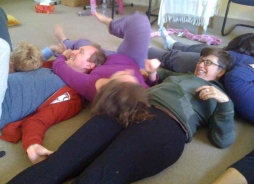
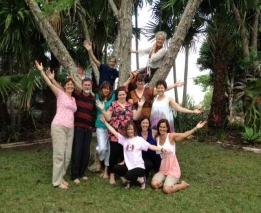
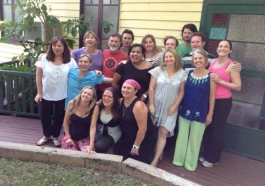
We are an Experiential Learning Centre – students join this training for different reasons, some to deepen their own personal growth process, others because they love the work and want to become a practitioner themselves. The course suits people drawn to self-awareness and personal growth, working with the interplay of emotional mind and physical body, trauma resolution, relationships and intimacy, and leadership development. The course is theoretical, experiential and practical.
Now accepting applications for our new intake in March 2027.
Interested?
Call: 0422 883 410 – Enquire Online Today
| Term | Details – Tentative Dates |
| 1 | In Person Workshops: Saturday and Sunday – March 2027
Online Class: Saturday – May 2027 8am-10am AEST (Brisbane) |
| 2 | In Person Workshops: Saturday and Sunday – June 2027
Online Class: Saturday – July 2027 8am-10am AEST (Brisbane) |
| 3 | In Person Workshops: Saturday and Sunday – September 2027
Online Class: Saturday -October 2027 8am-10am AEST (Brisbane) |
| 4 | In Person Workshops: Saturday and Sunday December 2027
Online Class: Saturday – January 2028 8am-10am AEST (Brisbane) |
Core Energetic topics covered in this Professional training:
(Please note that this is not an exhaustive list, nor are the topics necessarily taught in this order. For more information please request a prospectus)
Energy and Consciousness
An introduction to the Core Energetics model of energy and consciousness and exercises to help students experience charge and discharge, expansion, contraction, flooding, leaking and stasis. Principles of pain and pleasure, including breathing, movement, feelings, grounding, pulsations, life force and energy streaming. Energy centres and the energy field are introduced.
The Personality
An overview of Core Energetic Personality theory including the mask (psuedo personality), lower self (shadow) and higher self (real self, truth, love and gifts) and the qualitative energetic and personality differences of these aspects. An introduction to the model of Core Energetics where mind, body, feelings, will and spirit interact holistically.
Characterology – Schizoid (Fragmented) Defence
Understanding the effects of parental hatred or disinterest on a pre-ego, pre-verbal development. Observation and assessment of the physical structure of the schizoid defence. Experiential work to fully understand the developmental factors responsible for the schizoid personality. Techniques and approaches for working with these characteristics in the therapy room.
Characterology – Oral (Undercharged) Defence
Understanding abandonment and attachment issues and the resulting neediness or counter-dependence in pre-verbal development. Observation and assessment of the physical structure of the oral defence. Experiential work to understand the development factors responsible for orality. Approaches and techniques for working with these characteristics in the therapy room.
Characterology – Masochistic (Overcharged) Defence
Understanding enmeshment and autonomy issues. Observation and assessment of the physical structure of the masochistic defence. Experiential work to gain understanding on the developmental factors responsible for the masochistic wound. Approaches and techniques for working with these characteristics in the therapy room.
Characterology – Psychopathic (Upper Displacement) Defence
Understanding the role of seduction and betrayal in the developmental wound. Observation and assessment of the physical structure of the psychopathic defence. Experiential work concerning the development factors responsible for psychopathy. Working with this defence in the therapy session.
Characterology – Rigid (Armoured) Defence
Understanding oedipal issues and the resulting split between the heart and the pelvis. Observation and assessment of the physical structure of the rigid defence. Experiential work concerning the development factors responsible for rigidity. Approaches for working with this defence in the therapy session.
Introduction to Attachment
The introduction of insecure attachment and learning the characteristics of avoidant, anxious ambivalent and disorganised attachment. Experiential work to gain understanding and insight into these traumas, together with some preliminary healing responses.
Working with Non-Characterological Trauma
This module teaches how to settle an unsettled nervous system using soft techiques. Included in this module is understanding the markers that indicate when when a client is outside of their window of tolerance, and responding with appropriate techniques. This module covers non-characterological trauma, such as PTSD and complex PTSD.
Introduction to Segmental Armouring
An orientation to the Body. An explanation of Reich’s seven body segments (ocular, oral, throat, chest, diaphragm, abdomen, and pelvis). An overview of how the different segments are related to specific character defences. Introduction to the techniques used in unblocking frozen energy of the segments.
Core Energetic Body Readings
Students learn body reading techniques to interpret characterology and devise a treatment plan for clients.
Sensing Energy and Soft Techniques
Using touch in therapy. Learning about the use of ethical touch and when it is appropriate and when it is not. Soft techniques and healing techniques for working with the energy of the aura and the physical body. This includes human energy systems including the energy field and chakra systems. Reading energy as an assessment tool, using sensory awareness. Appropriate uses for soft techniques and energy work in the therapeutic relationship. Energy techniques to aid therapists in relating to their clients.
Ego functions and their Relationship to the Core.
An in depth exploration of the concept of ego in the Core Energetics model including the body as ego, transforming the ego, principles of self responsibility, the selfish aims of the negative ego, helping the ego to be in the service of the Core and the higher self and ego development and wounding in the different character structures. Emphasis is placed on the little ego and the big ego; the ego as it works for higher good and the ego as it fulfills selfish or unrealistic aims.
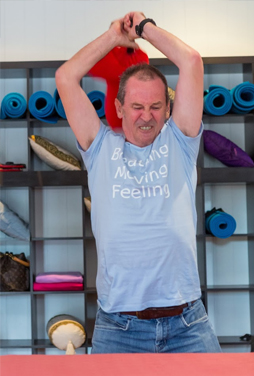
Breathing, Moving, Feeling
Theories of breathing in CE. Techniques for using breathing to open physical and emotional blocks. Breathing differences among the character structures. Staccato breathing. Relationship of breath to feeling, characterology as disruption of natural movement patterns. The movements that integrate the body.
Energy Economy
Core Energetic and Reichian concepts such as grounding, flooding, charging, discharging, flow, resistance and containment are taught. Demonstrations illustrate each energetic concept in relation to the different character structures. Physical techniques are provided for working with different forms of energy. Students work in dyads in order to directly experience the concepts and their uses in Core Energetic therapy.
Segmental Armouring 2
Provides working experience of using techniques of using techniques in every area of segment of the body (occipital, oral, throat, thoracic, diaphragm, abdomen, pelvis). Discovery of subtle aspects of each segment (skin colour, temperature, hair growth, texture of the skin, smell). Specific techniques for each segment of the body depending on the character structure. Hand on experience in working to unblock armoured segments of the body.
Applying Techniques for Character Structures
An intensive class focusing on using various techniques as they would apply to specific character structures. Further training in techniques with the emphasis on helping students integrate the appropriate technique with the developmental history of the person. Working in dyads helps students assess their knowledge of Core Energetic methods and integrate the teachings of the second year. Hands on experience in the methods and concepts of the Core Energetic model.
Confronting & Penetrating the Mask Through Work with Transference
An exploration and teaching of transference as it is displayed by each character structure in terms of mask or pseudo behaviour. Focus will be on working with transference in a therapeutic setting, and learning to confront attitudes of denial, negative intent, vicious circles and destructive patterns as they relate to transferential issues.
Body Techniques to Transition Resistance
Approaches to recognise resistance in therapy (verbal, behavioural and physical). Students will learn to perceive resistance in the musculature, respiratory, digestive, and other systems together with learning physical techniques for expressing and transforming negative feeling.
Anger, Resistance and the Upper Body
Techniques to work with anger and resistance held in the upper body. Core Energetic techniques for the head, neck, shoulders, arms, chest, back and diaphragm. Teachings about the manifestation of anger in different character structures and specific approaches to working with it are demonstrated and experienced by students.
The Higher Self
The theory of the higher self will be taughttogether with techniques for accessing the higherself and helping the client meet his/her higher self through lower-self release. Experiential work to help students understand and access their own higher self in service of assisting clients to access their higher self, gifts, and creativity.
Working with Sexual Blocks
Sexuality is studied in connection to the life force, blockages to that force, and the developmental process as it affects the sexuality of each of the five character structure. The course emphasises exploration of belief system developed in childhood, as well as gender and identity issues. Physical techniques for working with the pelvis; techniques for integrating sexual energy in the segments of the body; methods for working with the pelvis; techniques for integrating sexual energy in the segments of the body; methods for joining the head, heart and pelvis, and sexual issues in therapeutic relationship in terms of transference and countertransference are explored.
Psychosomatics and Body Psychotherapy
Emphasis is on the interplay of the body, mind and spirit as they relate to illness, disease, injuries and wellness. Exploration of the relationship between the sympathetic and parasympathetic nervous systems, between the immune system and emotion, and between life energy and physical health.
Attachment and Self Regulation
The introduction of insecure attachment and learning the characteristics of avoidant, anxious ambivalent and disorganized attachment. Experiential work to gain understanding and insight into these traumas, together with some primarily healing responses.
Building A Treatment Plan
This class builds on the knowledge from the first and second years to help the student more expertly assess and plan. Focus includes learning about the scope of body psychotherapy and being able to assess when clients are outside of our scope and when to refer to other professionals. Topics of mood disorders and personality disorders are introduced.
Releasing and Transforming the Lower Self
Work will concentrate on therapeutic methods to make true contact with the negative aspects of the self including the concepts of denial, destructiveness, cruelty, hate and terror. There will be practise therapy sessions to help therapists in training receive and accept the lower self process of their clients, particularly when the lower self is directed at the therapist.
Marketing and Managing a Practice
This unit covers the setting up of a practice, including formulating your message to your ideal clients, as well as developing skills to reach your audience, and attending to the day to day running of a professional practice.
Introduction to Working with Groups
An introduction to group dynamics including building safety and creating aliveness in the group. Emphasis will be on how to create an ongoing process group.
Interested?
Call: 0422 883 410 – Enquire Online Today
Frequently Asked Questions
How long is the Body Psychotherapy training course?
It’s a three-year, part-time course, with an additional year available to complete coursework and clinic hours if needed.
How much does the training cost?
$4,800 per year, payable in four installments. Additional costs include 16 individual therapy sessions per year, required reading, and 10 supervision sessions in year 3.
Is this course accredited?
It’s a non-accredited Experiential Learning Centre course. The Institute is affiliated with IICT (International Institute for Complementary Therapists), and graduates can join IICT to gain professional indemnity and public liability insurance to begin practising.
What does the course structure look like each year?
Four two-day (weekend) in-person workshops plus four online classes per academic year, with reading, homework and occasional webinars in between.
When is the next intake?
Applications are open now for the March 2027 intake.
Where is the training held?
In-person workshops are held in Brisbane; online classes run at 8am–10am AEST (Brisbane time).
How do I apply or find out more?
Call 0422 883 410, enquire online, or download the info pack.